As we age, the small joints in the spine, known as facet joints, can undergo wear and tear similar to the hips or knees. This condition, known as spinal osteoarthritis, often results in chronic stiffness and a deep, aching pain that makes daily movement difficult. At Spine & Orthopedic Center, we specialize in advanced, minimally invasive interventions like radiofrequency ablation (RFA) to provide long-term relief for patients who haven’t found success with conservative therapies.
The science of radiofrequency ablation
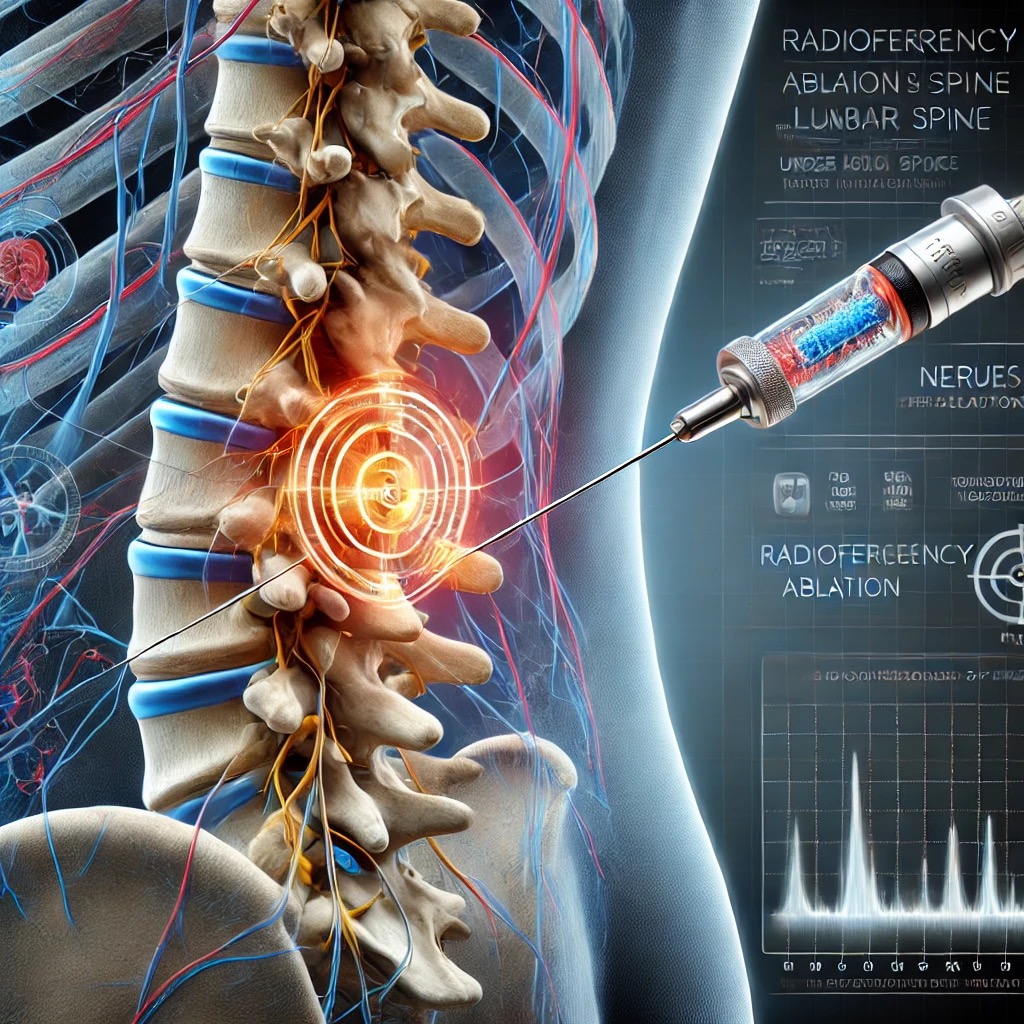
Radiofrequency ablation is a procedure that uses thermal energy to disrupt pain signaling. Dr. Rajiv Sood uses fluoroscopy (X-ray guidance) to place a thin, needle-like electrode near the medial branch nerves. These specific nerves are responsible for transmitting pain signals from the arthritic facet joints to the brain.
After proper placement, the electrode delivers a radiofrequency current, creating a small heat lesion on the nerve. This lesion acts as a “block,” preventing the pain signal from reaching its destination. According to recent clinical data, RFA is highly effective for localized spinal pain, which has many patients experiencing a significant reduction in discomfort that lasts for 6 to 12 months.
Benefits of choosing RFA for spinal arthritis
For patients in Jonesboro, GA. RFA offers several distinct advantages over more invasive surgical options or long-term reliance on pain medication. It is a minimally invasive outpatient procedure making the recovery time is exceptionally short.
Key benefits of radiofrequency ablation include:
- Targeted relief: It treats the source of your pain without impacting your strength, movement, or normal feeling.
- Improved mobility: By lowering the pain threshold, patients are often able to engage in physical therapy, which stabilizes the spine.
- Minimal Downtime: Most patients are able to return to normal daily activities withing 24-48 hours.
Determining if you are a candidate
Not every type of back pain is suitable for radiofrequency ablation. To ensure the highest chance of success, we perform a “diagnostic block” before the actual ablation. During this test, a small amount of anesthetic is injected near the target nerves. If you experience immediate, significant relief from the block, it confirms that those nerves are the source of your pain and that you are an ideal candidate for RFA. Research over the last five years indicates that approximately 70% to 80% of patients who have a successful diagnostic block will achieve significant relief following the ablation