Back pain has a way of showing up at the worst possible time. One minute you’re lifting a bag of groceries out of the trunk, for example, and the next you feel that sharp, radiating pain that stops you in your tracks.
That pain could be the result of a herniated disc.
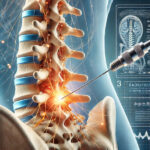
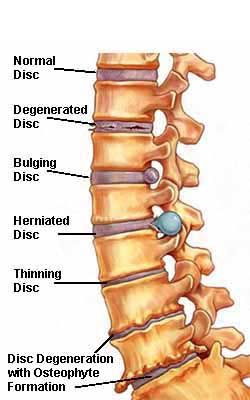
Discs act as cushions between vertebrae. When the soft center of a disc bulges out through a tear in the outer layer, it’s considered herniated. Displaced disc material can press on nearby nerves, causing back pain, neck pain, numbness, tingling, or pain that travels to an arm or leg.
This month, Rajiv Sood, MD, shares five risk factors for herniated discs and how the Spine & Orthopedic Center team in Jonesboro, Georgia, can help.
1. You have age-related disc degeneration
Your spinal discs naturally change as you get older. They lose water content, become less flexible, and don’t absorb shock as well as before.
That makes them more vulnerable to small tears and herniation, even during everyday movements such as bending, lifting, or twisting. That’s one reason herniated discs are more common in adults ages 30-50.
2. You have a physically demanding job
Your spine can handle a lot at work, but repeated strain adds up. Jobs or activities that involve frequent lifting, bending, twisting, or pulling increase pressure on your discs. If you lift with your back instead of your legs, that pressure becomes even greater.
You may have a higher risk of disc herniation at work if you:
- Operate heavy machinery, including any machine that involves significant vibration
- Work in retail and overload your back every day
- Drive a truck and load it more than three times per day
In short, repetitive stress during the workday can increase your risk of a herniated disc.
3. You sit for hours at a time
Sitting for long hours, especially with poor posture, can place extra pressure on the discs in your lower back.
That’s especially common if you work at a desk, drive for long periods, or spend a lot of time looking down at a phone or laptop. When your spine stays in a strained position day after day, your discs may become more irritated and vulnerable.
Small changes, including adjusting your workstation, supporting your lower back (with a lumbar pillow), and taking movement breaks, can help reduce that pressure.
4. You carry excess body weight
Being overweight increases the load on your spine, especially in your lower back. According to research published in 2024, obesity increases your risk of disc herniation and spinal stenosis. Both conditions can cause chronic back and nerve pain.
That added pressure can contribute to disc wear-and-tear and make an existing disc problem more painful. Losing even a modest amount of weight, when appropriate, can help reduce strain on your back.
5. You smoke
Smoking affects more than your lungs. It can also reduce blood flow and oxygen delivery to your spinal discs.
Your discs already have a limited blood supply, so anything that further reduces nutrition to those tissues may speed degeneration and slow healing. That can weaken discs over time and make them more susceptible to injury.
Smoking can also impair your ability to heal after spine surgery.
What to do if you suspect a herniated disc
Not all back pain means you have a herniated disc, but certain symptoms deserve medical attention, including back or neck pain that doesn’t improve, pain that travels into your arm or leg, numbness, tingling, or weakness.
Once Dr. Sood confirms that disc herniation is the source of your symptoms, he reviews your treatment options with you.
Many people improve with conservative care, such as physical therapy, anti-inflammatory medications, activity modification, or injections. If your symptoms persist or nerve compression is severe, he may recommend surgery.If you’re at risk for a herniated disc or suspect that you already have one, call us at Spine & Orthopedic Center to schedule your appointment, or use our online request form.